
Samskruti Talks | Nutrition and Health in Changing Times: A Return to Balance for a healthier Society
Updated: Aug 4
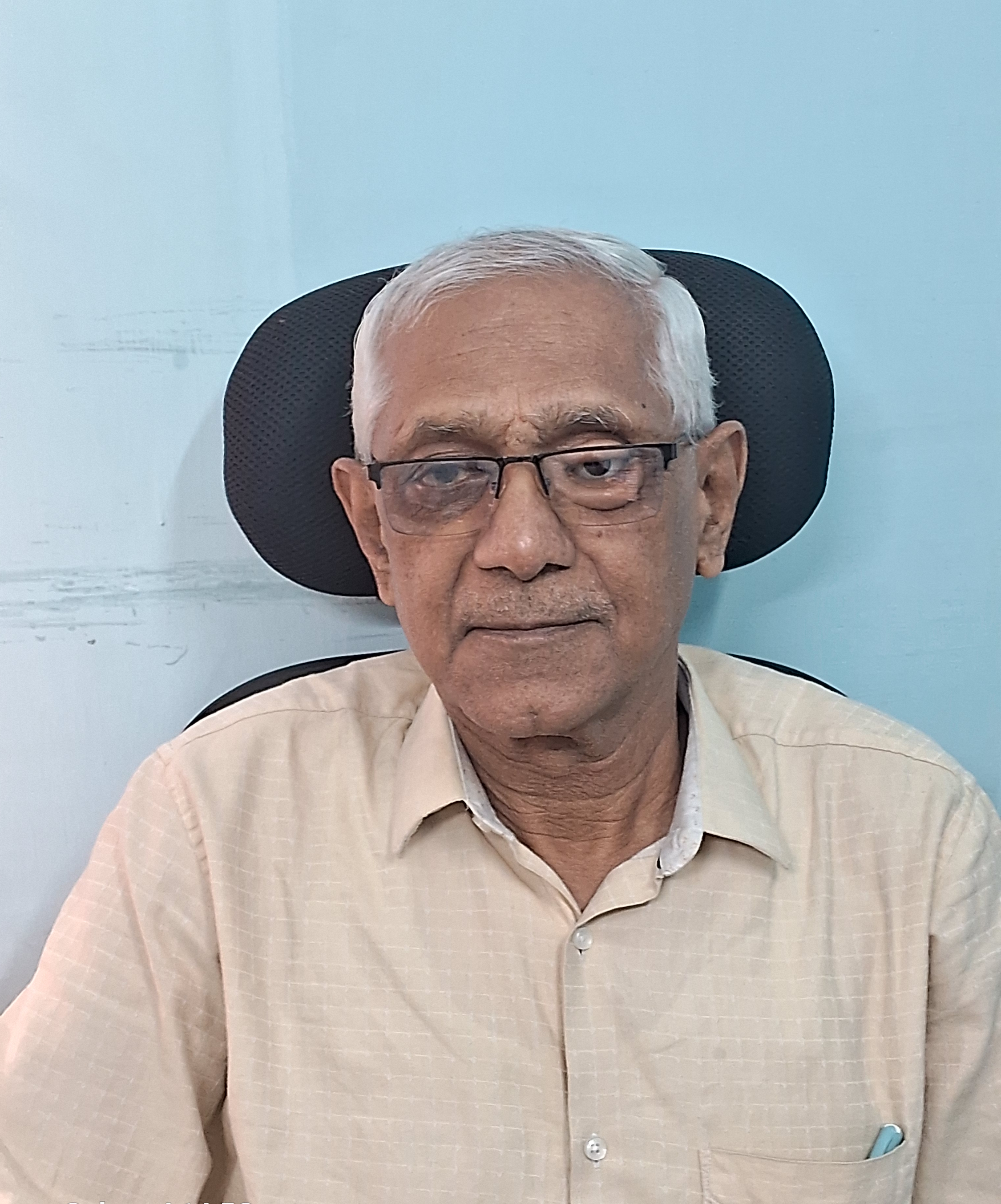
Speaker : Dr. M.M.V.P. Sharma, Professor of Community Medicine, Ex. WHO Consultant
There was a time when food was not a matter of discussion—it was a way of life. In our villages, what people ate was guided by seasons, local availability, and the quiet wisdom passed from one generation to the next. In towns too, food was simple, home-cooked, and balanced. There was no confusion about what was healthy, because life itself followed a natural rhythm. Today, that clarity is slowly fading.
Across both rural and urban India, we are witnessing a silent but significant shift. On one hand, problems like undernutrition, anemia, and poor growth in children still persist. On the other, there is a rapid rise in obesity, diabetes, hypertension, and heart disease. It is not uncommon now to find both these conditions existing side by side in the same community, and sometimes even within the same household.
This is not merely a medical issue. It reflects deeper changes in our food habits, our lifestyles, and our social structure.
Modern scientific understanding clearly shows that health is shaped not just by how much we eat, but by what we eat and how we live. Diets high in processed foods, excess sugar, salt, and unhealthy fats are linked with lifestyle diseases, while lack of dietary diversity leads to deficiencies affecting growth and immunity. The human body, it appears, thrives best in balance. And that balance, interestingly, was once part of our everyday life.
A Village Story: Rediscovering What Was Lost
In a small village, not very different from many others, an elderly woman once remarked that children no longer recognized the taste of certain leafy vegetables that grew freely around their homes. What was once part of daily meals had quietly disappeared.
A local school teacher, noticing increasing weakness among children, decided to act in a simple way. With the help of a few mothers, a small kitchen garden was started within the school premises. Seeds were collected locally, and elders in the village were invited to guide what to grow and how to cook.
Within a few months, something interesting happened. Children began to take interest in these vegetables. Mothers started discussing old recipes. A few households restarted their own kitchen gardens.
There was no formal programme, no large funding—only a small effort rooted in local knowledge.
Yet, it slowly revived both nutrition and community participation.
Snapshot of India’s Nutrition Situation
Recent national surveys in India show a mixed picture:
A significant proportion of women are anemic
Many children still suffer from stunting and undernutrition
At the same time, overweight and obesity are increasing, even in rural areas
Lifestyle diseases like diabetes and hypertension are rising steadily
This shows that India is facing a “double burden” of malnutrition—both deficiency and excess.
Returning to the broader picture, we realize that our traditional food systems were not accidental. They were built on practical wisdom—eating seasonal foods, using local ingredients, maintaining moderation, and respecting meal timings. Knowledge was shared naturally within families, especially through women who played a central role in food practices.
What has changed today is not only what we eat, but how we decide what to eat.
In villages, increasing dependence on market foods has reduced reliance on home-grown produce. Kitchen gardens have declined, and traditional grains and recipes are being replaced by refined and packaged alternatives. At the same time, the chain of knowledge transfer is weakening. In cities, the change is even more pronounced.
A City Story: Small Change, Big Impact
In an urban residential colony, a group of parents became concerned about their children’s growing preference for junk food. Packaged snacks had become a daily habit, and outdoor play was decreasing.
Instead of imposing strict restrictions, they decided to take a different approach. Once a week, they organized a “Healthy Evening” where families brought simple home-made traditional snacks—items that were once common but had become rare.
Children initially resisted, but gradually began to enjoy the variety. Conversations started around food, recipes, and health. Over time, some families reduced their dependence on packaged foods. The school nearby also began to encourage similar practices. Again, the change did not come from rules, but from awareness and collective effort.
These small stories reflect a larger truth.
The problem we face today is not simply lack of food, but a shift in behaviour, culture, and priorities. Food choices are increasingly influenced by convenience, marketing, and changing lifestyles, rather than by health and tradition.
The way forward, therefore, lies not in drastic measures, but in restoring awareness and making practical changes that fit into daily life. That means Culturally Acceptable & financially affordable measures make people to adopt to new practices /healthy lifestyle.
At the family level, this means returning to simple practices—preferring home-cooked meals, including local and seasonal foods, reducing excess salt, sugar, and oil, and maintaining regular meal timings. These are not new ideas; they are reminders of what once kept communities healthy.
At the community level, the possibilities are even greater. Villages can revive kitchen gardens and encourage sharing of traditional food knowledge. Elders can play an active role in guiding younger generations. Schools and Anganwadi centres can become spaces where children learn about food not just as a subject, but as a way of life.
In urban areas, resident groups, schools, and community organisations can promote awareness, encourage healthier food environments, and gradually shift habits.
Social workers and philanthropic individuals have a unique opportunity here. By initiating small, visible efforts—such as food awareness sessions, traditional food events, or school-based activities—they can inspire wider participation. These efforts, though modest in scale, can create lasting impact when sustained over time.
Local self-governments, particularly at the village level, can further support these initiatives by encouraging community participation, promoting local food production, and integrating nutrition awareness into existing programmes.
What is encouraging is that meaningful change does not require complex systems or large investments. It often begins with a simple step—a garden, a discussion, a shared meal, or a revived tradition.
These small beginnings can gradually reshape habits and perceptions.
Ultimately, nutrition is not just about food. It is about how we live, what we value, and how we connect with our environment and community. When food practices are aligned with health, culture, and sustainability, the benefits extend far beyond the individual.
If we recognize this and act collectively, we can address both undernutrition and lifestyle diseases—not as separate challenges, but as part of a larger effort to restore balance.
The journey towards a healthier society does not begin in policies or institutions.
It begins quietly—
in our homes, in our kitchens, and in our communities.
And perhaps, the most reassuring thought is this:
We are not searching for new answers.
We are rediscovering what we always knew.
Appeal for Trials:
The speaker made an appeal to the audience to proactively engage in some of the activities mentioned below. He affirmed that one does not need a large programme or funding to begin. Even simple efforts can create meaningful impact.
Small Steps, Big Change
You do not need a large programme or funding to begin. Even simple efforts can create meaningful impact.
Any one Idea:
1. Kitchen Garden Initiative: Encouraging a few families to grow vegetables at home- using backyard space, pots, or community land.
2. Traditional Food Sharing Circle: Bringing together elders (especially women) once a month to share recipes, food practices, and seasonal diets.
3. Healthy School Activity: Organizing a “Traditional Food Day” or create awareness about reducing junk food among children.
4. No Junk Food Zone: Working with local shops and community leaders to discourage sale of junk food near schools.
5. Community Awareness Meeting: Using village meetings or local gatherings to discuss simple healthy food habits.
6. Local Food First Campaign: Promoting the use of locally grown grains, vegetables, and seasonal foods.
How to Begin?
One can start small with 5–10 families or one school, and demonstrate success. Others will follow.
Change does not come from big plans alone. It begins with one step, one group, one community.
A Final Thought
If one village starts, many will follow.
If one community changes, society will transform.


Comments